

At age 50, Daniel was “on top of the world.”
“I turned 50, and it was the best year of my life,” he told Futurism in an interview. “It was like I finally figured out so many things: my career, my marriage, my kids, everything.”
It was early 2023, and Daniel — who asked to be identified by only his first name to protect his family’s privacy — and his wife of over three decades were empty nesters, looking ahead to the next chapter of their lives. They were living in an affluent Midwestern suburb, where they’d raised their four children. Daniel was an experienced software architect who held a leadership role at a large financial services company, where he’d worked for more than 20 years. In 2022, he leveraged his family’s finances to realize a passion project: a rustic resort in rural Utah, his favorite place in the world.
“All the kids were out of the house, and it was like, ‘oh my gosh, we’re still young. We’ve got this resort. I’ve got a good job. The best years of our lives are in front of us,” Daniel recounted, sounding melancholy. “It was a wonderful time.”
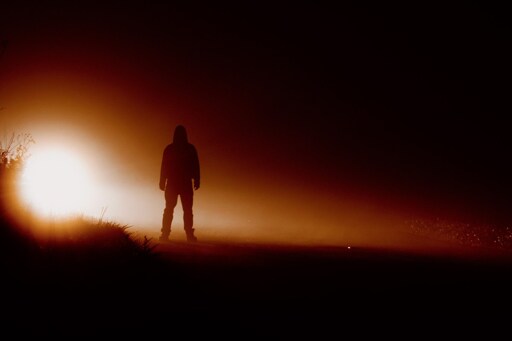
That all changed after Daniel purchased a pair of AI chatbot-embedded Ray-Ban Meta smart glasses — the AI-infused eyeglasses that Meta CEO Mark Zuckerberg has made central to his vision for the future of AI and computing — which he says opened the door to a six-month delusional spiral that played out across Meta platforms through extensive interactions with the company’s AI, culminating in him making dangerous journeys into the desert to await alien visitors and believing he was tasked with ushering forth a “new dawn” for humanity.
And though his delusions have since faded, his journey into a Meta AI-powered reality left his life in shambles — deep in debt, reeling from job loss, isolated from his family, and struggling with depression and suicidal thoughts.
Part of the problem is that these tech companies aren’t being required to back up their claims. They are somehow allowed to get away with minuscule disclaimer text that says “artificial intelligence models can make mistakes, check the output” and say complete bullshit about what it can do in interviews.